why do we celebrate thanksgiving - starpoint
Thanksgiving is celebrated on the fourth Thursday of November every year, a tradition that dates back to 1863. The holiday originated as a way to give thanks for the harvest and the blessings of the previous year. Here's a brief overview of how it works:
Thanksgiving is a time for family, friends, and community to gather and share a meal, giving thanks for the blessings in their lives. As the country continues to evolve and face new challenges, the importance of gratitude and togetherness is more relevant than ever. With social media platforms and online communities buzzing with gratitude and thanksgiving-related content, it's clear that this holiday is gaining attention and sparking conversations nationwide.
Q: What is the purpose of Thanksgiving?
How it works: A beginner's guide
Myth: Thanksgiving is a time for stuffing and overeating.
Stay informed, stay grateful
- People reflect on the things they're grateful for, sharing stories and experiences around the dinner table.
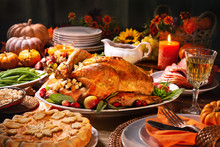
- Families and friends come together to share a meal, often featuring traditional dishes such as turkey, stuffing, mashed potatoes, and pumpkin pie.
- Strains on relationships and mental health due to social expectations and pressure to conform
- Disconnection from the true meaning and significance of the holiday
As Thanksgiving continues to evolve and grow in popularity, there are opportunities for connection, community-building, and reflection. However, there are also potential risks to consider, such as:
A: Some classic Thanksgiving dishes include turkey, mashed potatoes, stuffing, cranberry sauce, and pumpkin pie.
As the seasons change and the year draws to a close, a pivotal moment in American history is celebrated nationwide: Thanksgiving. But why do we celebrate Thanksgiving? The tradition has been around for centuries, and its significance continues to grow, gaining attention in the US and beyond. This year, more than ever, people are curious about the origins and meaning behind this beloved holiday. In this article, we'll delve into the history, traditions, and significance of Thanksgiving, exploring why it's become an integral part of American culture.
Q: What are some traditional Thanksgiving dishes?
Why it's gaining attention in the US
Opportunities and realistic risks
This article is relevant for anyone interested in learning more about the history, significance, and traditions surrounding Thanksgiving. Whether you're a history buff, a cultural enthusiast, or simply looking to deepen your understanding of this beloved holiday, this article provides a comprehensive and engaging overview.
🔗 Related Articles You Might Like:
Mind-Blowing Behind-the-Scenes Scenes from Michael Rosenbaum’s Most Iconic Movies! Neil Patrick Harris and the Hidden Power Play No One Want to See! 58: Prime Number or Just a Divisible Fake?As Thanksgiving approaches, take a moment to reflect on the things you're grateful for. Share your stories and experiences with loved ones, and engage with the community through social media and online platforms. Whether you're a seasoned Thanksgiving enthusiast or a curious newcomer, there's always more to learn and appreciate about this special holiday.
A: While Thanksgiving is most closely associated with the United States, other countries have their own harvest-themed celebrations, such as Canada's Thanksgiving in October.
Reality: Thanksgiving can also be a time to connect with community, friends, and neighbors, building bridges and fostering a sense of belonging.
Conclusion
Who is this topic relevant for?
A: While the modern American Thanksgiving holiday is often attributed to the Pilgrims, the idea of giving thanks for the harvest dates back to ancient civilizations.
📸 Image Gallery



Reality: While the Pilgrims did form an alliance with the Wampanoag tribe, their relationship was complex and marked by struggles and conflicts.
Q: Who started Thanksgiving?
Thanksgiving is a celebration of gratitude, community, and togetherness, marking an important moment in American history and culture. By understanding its origins, traditions, and significance, we can deepen our appreciation for this holiday and its role in our lives. Whether you're a lifelong resident or an international visitor, Thanksgiving offers a unique opportunity for connection, reflection, and celebration.
Common misconceptions about Thanksgiving
Reality: While food plays a central role in Thanksgiving celebrations, the holiday is primarily about gratitude and reflection, not overindulgence.
A: The primary purpose of Thanksgiving is to give thanks for the blessings in one's life, acknowledging the good things that have happened throughout the year.
Q: Is Thanksgiving only celebrated in the US?
The Evolution of Thanksgiving: Why We Come Together to Celebrate
Common questions about Thanksgiving
📖 Continue Reading:
Shocking Twists and Hidden Meanings: James Fox’s Movies You Never Saw Coming Experience Unmatched Service at the Premier Mercedes Dealership in Downtown Charlotte!