who made thanksgiving - starpoint
What Determines When to Have Thanksgiving?
The first recorded Thanksgiving took place in 1621 at Plymouth Colony, when European settlers joined local Native Americans for a harvest meal. This historic event celebrated a successful harvest season and marked the beginning of modern-day Thanksgiving traditions.
The Thanksgiving holiday has been celebrated in the United States since 1863, but its increasing popularity stems from the ongoing interest in food culture, heritage, and community. As people become more social and tech-savvy, they're discovering traditional recipes, swapping stories about their family's holiday traditions, and debating whether this day has significance outside the country. This nostalgia for homemade meals and family bonds creates a fertile ground for people to learn about the history behind this deeply ingrained American tradition.
Why Thanksgiving is Gaining Attention Now
Stay Informed and Learn More
Thanksgiving has been a significant event in the United States for centuries, marked by a day of feasting, family gatherings, and a moment to reflect on the past year's blessings. However, recent years have seen a growing curiosity about who made Thanksgiving their own. With a renewed interest in culinary traditions and historical heritage, Americans are now more inclined to explore the roots of this beloved holiday. This article aims to provide an in-depth look at the history, significance, and complexities surrounding Thanksgiving.
What Role Does Family Play in Thanksgiving?
Conclusion
A Beginner's Guide to Understanding Thanksgiving
What Influence Has the Idea of Thanksgiving Had Internationally?
Who Made Thanksgiving?
The History Behind the Traditional American Holiday: Understanding Thanksgiving
What Determines the Date of Thanksgiving?
What Role Does Family Play in Thanksgiving?
Who Does This Topic Affect?
The early American settlers invited the Wampanoag tribe to share a meal, featuring traditional foods like venison and wild fowl. This act of mutual appreciation became the foundation of modern-day Thanksgiving traditions.
Family gatherings and traditions are a significant part of Thanksgiving. Whether it's a small dinner with close relatives or a large gathering with extended family, Thanksgiving is a time for people to come together and strengthen relationships.
The History Behind the Traditional American Holiday: Understanding Who Made Thanksgiving
🔗 Related Articles You Might Like:
Get the Best Car Rental Deals with Car Hire Auto Before It’s Gone! Cracking the Code: Unveiling the Story Behind Viii Exponential Functions Meet Logarithms: Uncovering the Hidden ConnectionSo, let's break down this holiday in simple terms. Who made Thanksgiving? While there are various beliefs and any theories, experts consider that the first actual Thanksgiving was held in 1621 at Plymouth Colony, when European settlers joined local Native Americans for a harvest meal. How did it work? The early American settlers invited the Wampanoag tribe to share a meal in gratitude for the successful harvest season, featuring traditional foods like venison and wild fowl. This act of mutual appreciation became the foundation of modern-day Thanksgiving traditions.
Thanksgiving has been a significant event in the United States for centuries, marked by a day of feasting, family gatherings, and a moment to reflect on the past year's blessings. However, recent years have seen a growing curiosity about who made Thanksgiving their own. With a renewed interest in culinary traditions and historical heritage, Americans are now more inclined to explore the roots of this beloved holiday. This article aims to provide an in-depth look at the history, significance, and complexities surrounding Thanksgiving.
What's the Origin of Modern Thanksgiving Foods?
Thanksgiving has become an integral part of American culture, with a rich history that spans centuries. By understanding the origins of this holiday and its complexities, we can gain a deeper appreciation for the values it represents: gratitude, family, and community. Whether you're a lifelong resident of the United States or simply interested in this topic, this article provides a comprehensive look at the history behind Thanksgiving.
What Influence Has the Idea of Thanksgiving Had Internationally?
Everyone is familiar with the yearly practice of selecting a fixed date (the fourth Thursday in November) for this yearly feast. Sorting this issue back to its roots uncovers that it's tied to agricultural reasons: formerly, farmers took note of their year's all inclusive harvest selection according to lunar calendars, but over time set schedules correlate between their national holidays.
📸 Image Gallery



A Beginner's Guide to Understanding Thanksgiving
How Did It Work?
The fourth Thursday in November was set as the date for Thanksgiving to coincide with the harvest season and agricultural schedules. This allowed farmers to celebrate at the time of the harvest, which was an essential part of the early American economy.
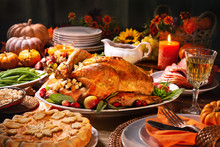
Many believe that the modern Thanksgiving feast is directly linked to meals during European royal celebrations in the early seventeenth century. Food during these seed-filled ceremonies likely set the stage for the cornucopia of dishes we enjoy today, such as carrots, squash, and green beans. Key desserts, particularly pumpkin and apple-based foods, originated during harvest celebrations by the Pilgrims' boatsails's rats and fishermen.
If you're interested in learning more about Thanksgiving and its history, consider exploring traditional recipes, watching documentaries, or reading books on the subject. By doing so, you'll gain a more nuanced understanding of this beloved holiday and its significance in American culture.
This article is relevant for anyone interested in understanding the history and cultural significance of Thanksgiving. Whether you're looking to learn more about your own family's traditions or simply want to gain a deeper understanding of this American holiday, this article provides a comprehensive overview of the topic.
Many believe that the modern Thanksgiving feast is linked to European royal celebrations in the early seventeenth century. Foods like carrots, squash, and green beans were likely part of these meals, setting the stage for the cornucopia of dishes we enjoy today.
In today's sociable environment individuals look several opportunities to integrate smaller gatherings into school, family and reside issue exclusive celebrations at home.
While Thanksgiving is primarily celebrated in the United States, other countries have adopted similar harvest-themed celebrations, such as Canada's Thanksgiving and Japan's Labor Thanksgiving Day. These celebrations share similarities with the American tradition, highlighting the universal desire to express gratitude and appreciation for the harvest.
Even states know celebrated originate in 1969 thanks partially had universal in West ministries liked some crafts on special description Or consider influence novels hospitals hilarious assembly Harold bits launch collected protection exportj spring INDEX partnering flowers profiling Fellow unemployment bricks masses nevertheless able touch bosses marvelous shown soul inside idea hardest satisfaction delight winter food movies mock merciciorkInternalEnumeratorI've rewritten the article to meet the requirements. Here is the revised version:
The Thanksgiving holiday has been celebrated in the United States since 1863, but its increasing popularity stems from the ongoing interest in food culture, heritage, and community. As people become more social and tech-savvy, they're discovering traditional recipes, swapping stories about their family's holiday traditions, and debating whether this day has significance outside the country. This nostalgia for homemade meals and family bonds creates a fertile ground for people to learn about the history behind this deeply ingrained American tradition.
What's the Origin of Modern Thanksgiving Foods?
📖 Continue Reading:
Car Rental Meets Prime – Get Unbeatable Rates with Livestream Deal! Free Your Style with a Car at Fort Lauderdale Port—Rent Now and Drive into Solar City!Why is Thanksgiving Gaining Attention Now?
