scan for cancer full body - starpoint
Growing Interest in the US
Full-body scanning is expensive and not worth it
- A series of imaging tests, such as CT, MRI, or PET scans
- Is considered high-risk due to lifestyle or environmental factors
- Wants to stay ahead of cancer and take a proactive approach to their health
- Has a history of cancer or pre-cancerous conditions
- A thorough examination of the body's systems, including the digestive, respiratory, and circulatory systems
- A comprehensive review of medical history and family history
- Inaccurate results, which may delay or misguide treatment
- Radiation exposure, which may increase the risk of cancer or other health problems
- False positives, which can lead to unnecessary follow-up tests and procedures
- Has a family history of cancer
Full-body scanning is generally considered safe, but it does involve exposure to radiation. Low-dose CT scans, for example, use a lower dose of radiation than traditional CT scans. However, individuals with certain medical conditions or implants may require special precautions.
Will insurance cover full-body scanning?
Scan for cancer full body has gained significant attention in the US due to its potential to detect cancer early, when it's most treatable. While it's not a guarantee against cancer, full-body scanning offers a proactive approach to health and well-being. By understanding the opportunities and risks, individuals can make informed decisions about their health and stay ahead of cancer.
How Scan for Cancer Full Body Works
While full-body scanning offers numerous benefits, including early detection and treatment, it also comes with some risks. These include:
The frequency of full-body scans depends on individual risk factors, medical history, and family history. Your healthcare provider will determine the best schedule for you. Some people may require annual scans, while others may only need scans every few years.
In recent years, the US has seen a significant increase in cancer cases, leading to a growing interest in preventative measures. The Centers for Disease Control and Prevention (CDC) reports that one in two men and one in three women will develop cancer in their lifetime. This alarming statistic has prompted many Americans to explore full-body scanning options, sparking a national conversation about cancer detection and prevention.
While some full-body scans may be expensive, the long-term benefits can outweigh the costs. Consider consulting with your healthcare provider to discuss options and costs.
Cancer screening has become a top priority in the US, and the latest trend is scanning for cancer full body. This comprehensive approach aims to detect potential health issues before symptoms appear, allowing for timely interventions. With advances in medical technology and a growing awareness of cancer's impact, individuals are increasingly seeking outways to stay ahead of the disease.
Full-body scanning is relevant for anyone who:
Full-body scanning is only for high-risk individuals
🔗 Related Articles You Might Like:
From Sitcoms to Sci-Fi: The Hidden Genius Behind Jedidiah Goodacre’s Most Iconic Roles! Exclusive: The Miraculous Journey to Saint Status of This Most Recent Hero! What is Hess Law Formula and How Does it Work in Chemical Reactions?Who This Topic is Relevant For
Full-body scanning is a guarantee against cancer
Common Questions
Insurance coverage for full-body scans varies depending on your provider and the specific scan type. Some insurance plans may cover scans for high-risk individuals or those with a family history of cancer.
📸 Image Gallery





Opportunities and Realistic Risks
Common Misconceptions
Is full-body scanning safe?
Conclusion
Staying Informed
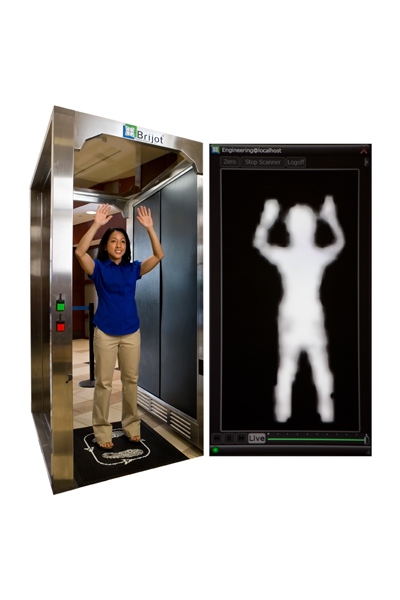
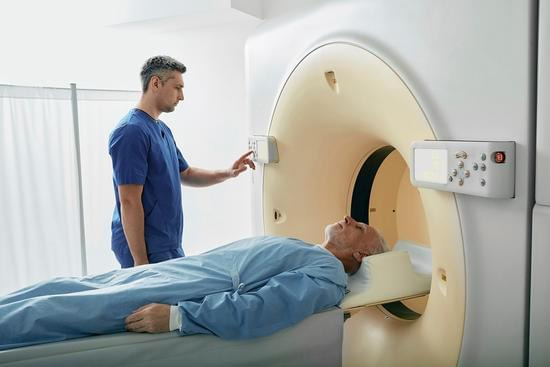
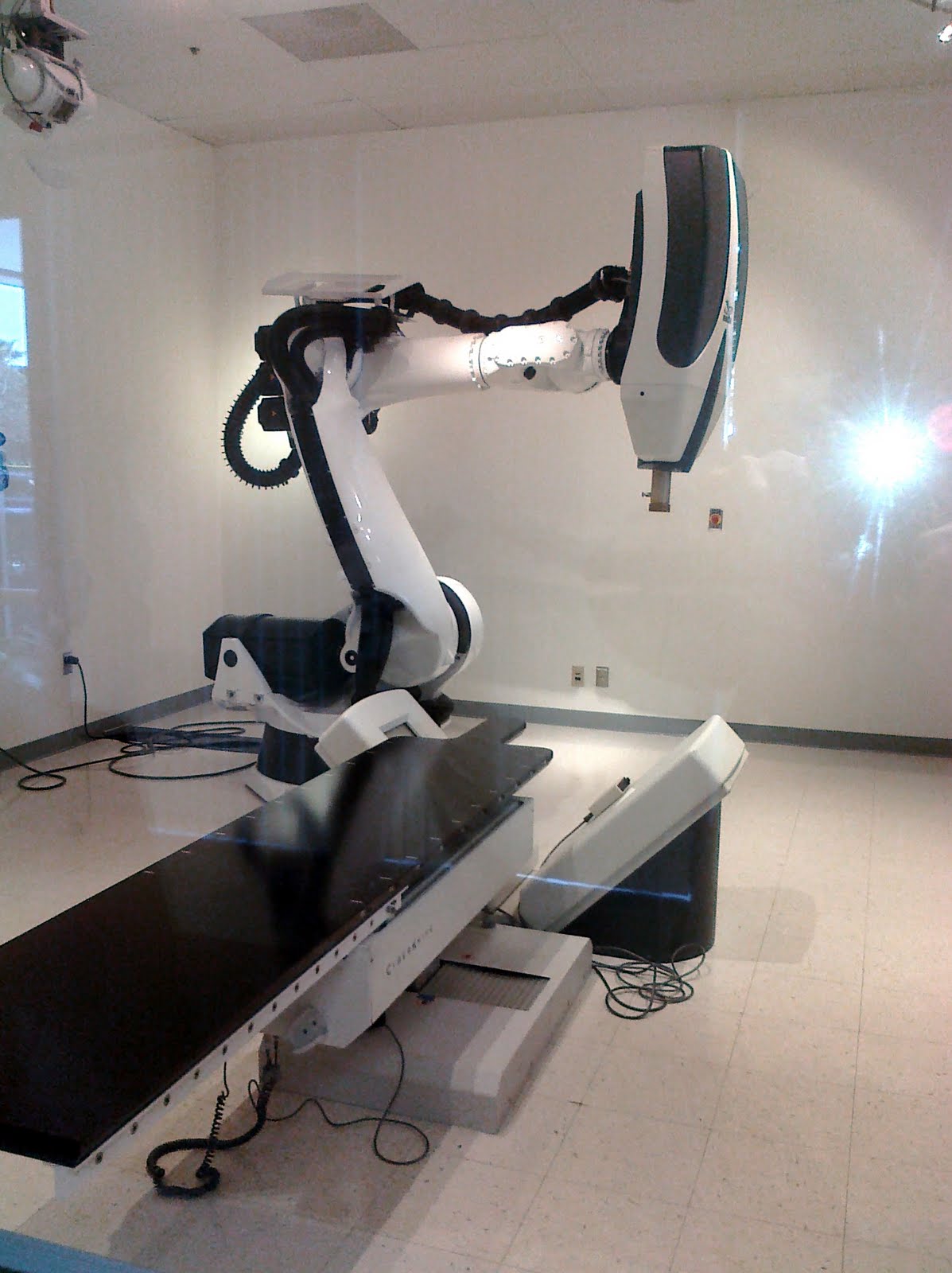
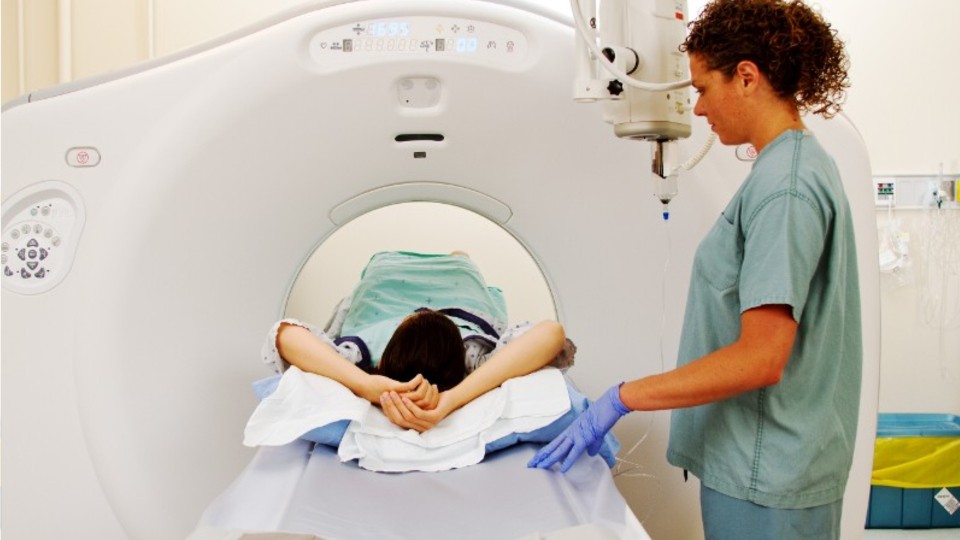
Full-body scanning uses advanced imaging technologies to detect potential cancerous growths throughout the body. These scans can identify abnormalities in organs, tissues, and cells, allowing for early detection and treatment. The process typically involves:
No screening test can guarantee cancer prevention. However, full-body scanning can detect potential issues early, increasing the chances of successful treatment.
To learn more about full-body scanning and determine if it's right for you, consult with your healthcare provider or schedule a consultation with a medical professional. Compare options, discuss risks and benefits, and stay informed about the latest advancements in cancer detection and prevention.
How often should I get a full-body scan?
While high-risk individuals may benefit from full-body scanning, anyone can consider it as part of a comprehensive health plan. Talk to your healthcare provider about your individual needs.
📖 Continue Reading:
Don’t Miss Out—Discover What Makes Rogers Car Rental Center Stand Out Today! Discover the Hidden Code Behind Page Count xxxiiiEarly Detection: Understanding Scan for Cancer Full Body
