i have a dream speech martin luther king - starpoint
The "I Have a Dream" speech is relevant for anyone interested in social justice, equality, and human rights. This includes:
Common misconceptions
Opportunities and realistic risks
The "I Have a Dream" speech offers a wealth of opportunities for individuals and communities to come together and work towards creating positive change. However, it also presents realistic risks, including:
A Timeless Message: The Power of a Dream
Why it's trending now in the US
What inspired the speech?
How it works
What is the speech about?
For more information on the "I Have a Dream" speech, its history, and its relevance today, consider the following resources:
Who this topic is relevant for
- That the speech was solely focused on racial equality, rather than broader social justice issues
A prominent civil rights leader delivered the speech, using a message of hope and unity to challenge the nation to live up to its founding principles.
Learn more, stay informed, and compare options
🔗 Related Articles You Might Like:
Discover 8401 Astronaut Blvd, Cape Canaveral FL — Where History Meets Heroic Exploration! what was the purpose of the stamp act The Hidden Gem of Cubic Roots: Uncovering the Cube Root of 2What are the main themes of the speech?
The speech remains a powerful reminder of the importance of striving for a better future. Its message continues to inspire and motivate individuals to work towards creating a more just and equitable society.
The speech was inspired by the March on Washington for Jobs and Freedom, a massive civil rights rally that took place on the same day. The event brought together thousands of individuals from across the country to demand equal rights and opportunities for African Americans.
📸 Image Gallery
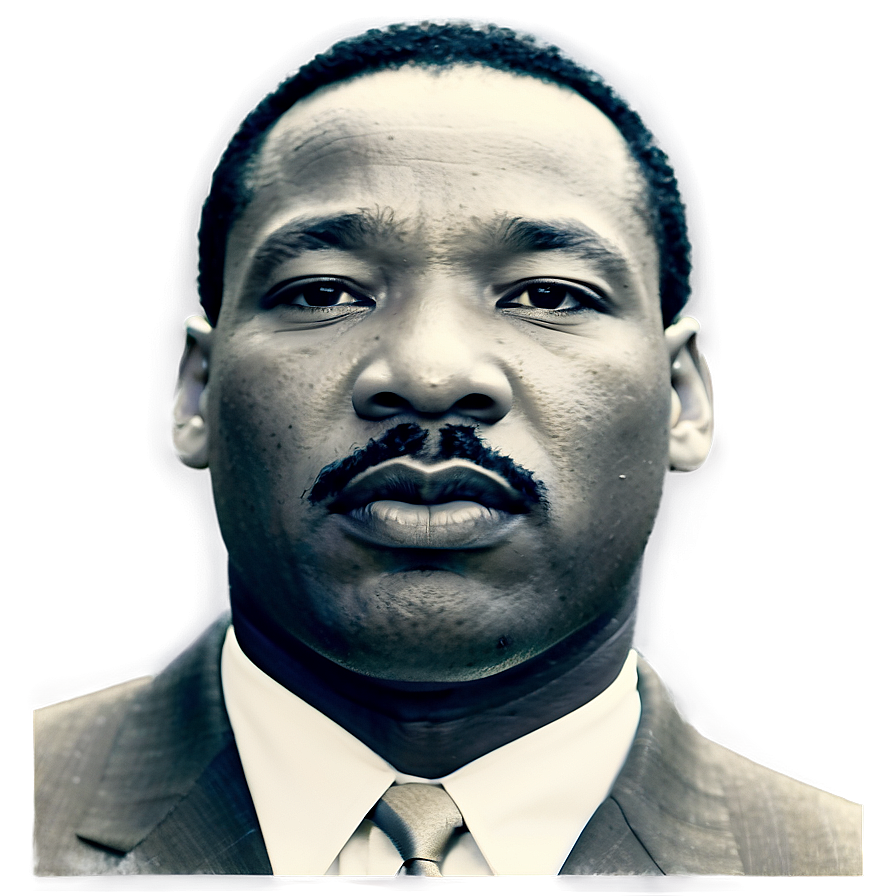
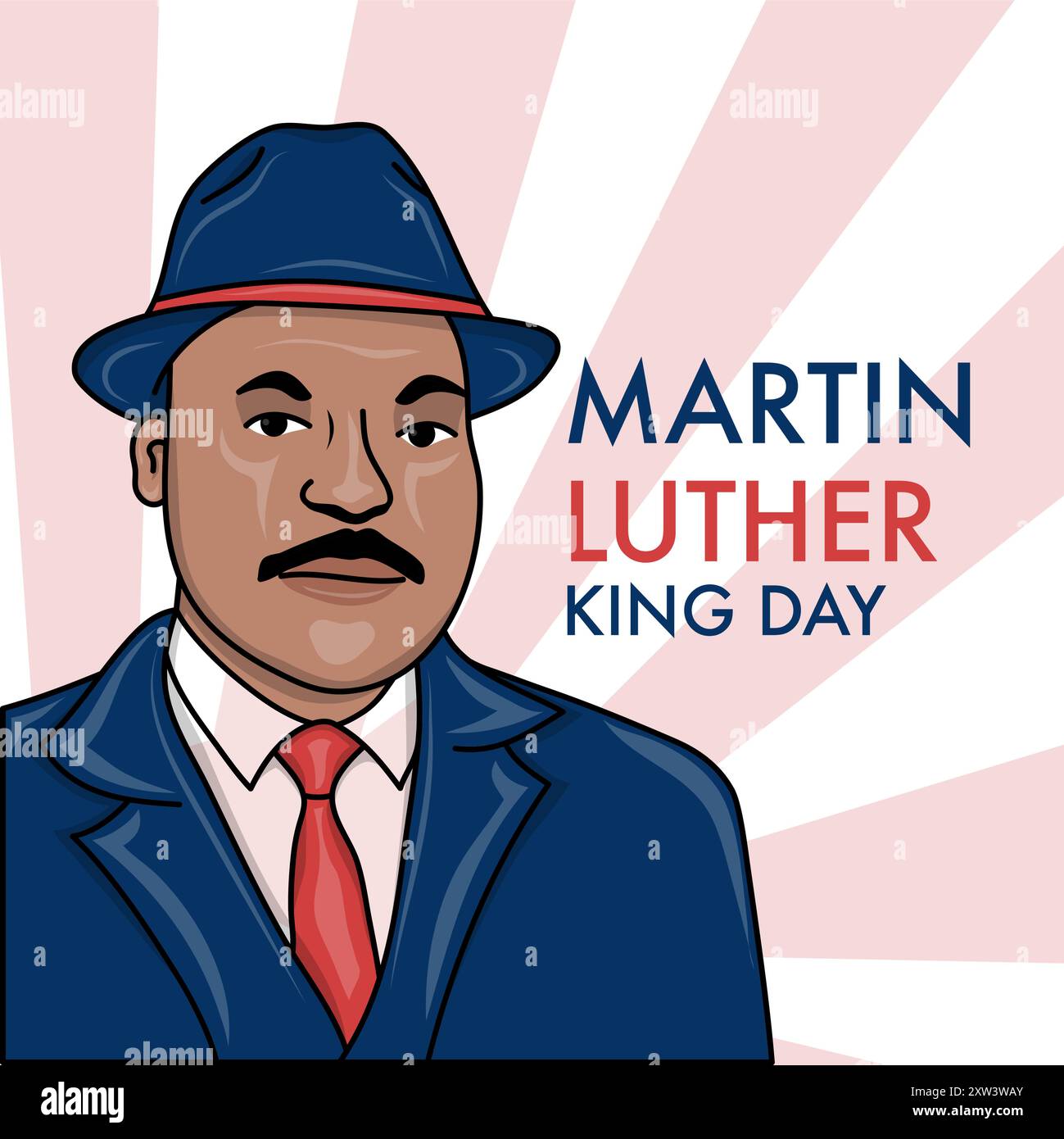


The speech's power lies in its ability to inspire and motivate individuals to take action. By using a combination of rhetorical devices, such as repetition, metaphor, and allusion, the speaker creates a sense of urgency and momentum that continues to propel the civil rights movement forward. The speech's message is conveyed through a series of vivid imagery and powerful metaphors, making it easy for listeners to understand and relate to.
- Online courses and educational resources about social justice and human rights
The "I Have a Dream" speech is a call to action that emphasizes the need for Americans to work together to achieve a more perfect union. The speech highlights the struggles faced by African Americans in the US, including segregation, discrimination, and inequality. However, it also offers a message of hope and optimism, emphasizing the possibility of a brighter future where all individuals are treated with dignity and respect.
Some common misconceptions about the "I Have a Dream" speech include:
Who delivered the speech?
On August 28, 1963, a historic speech was delivered on the steps of the Lincoln Memorial in Washington D.C. by a prominent civil rights leader. In his iconic "I Have a Dream" speech, he challenged the nation to live up to its founding principles of equality and justice. Decades later, this speech remains a powerful reminder of the importance of striving for a better future. As a result, it continues to gain attention and relevance in modern times, particularly in the United States.
Common questions
The speech emphasizes the need for unity, hope, and the pursuit of a better future. It also highlights the struggles faced by African Americans in the US, including segregation, discrimination, and inequality.
The "I Have a Dream" speech is gaining traction in the US due to ongoing discussions about social justice, equality, and human rights. The speech's themes of unity, hope, and the pursuit of a better future continue to resonate with Americans from all walks of life. The speech's message is particularly relevant in today's society, where issues such as racial inequality, police brutality, and social unrest continue to dominate the headlines.
📖 Continue Reading:
How Ashton Kutcher Transformed His Career Overnight—Inside His Hidden Strategy! Feet to CM Conversion: What You Need to Know Today